Saturday, 6 April 2013

A few important tips for first time Pregnancy

Marriage is a union of two souls. As man and wife, each couple takes on their life in a different manner and has different opinion about when to have a family. When a couple decides to have a baby, there are a lot of apprehensions and confusions in the minds of both. Some couples want to make a baby soon after marriage and are perplexed about how to get pregnant soon after marriage. Some couples have to make a great deal of efforts for making the woman pregnant, while it comes easy to many others, as there are several factors surrounding this beautiful process of nature. Nevertheless, there are several tips to get pregnant the first time. For all those who have no clue about how to make a woman pregnant after marriage, the upcoming section is worth a read.

  • Getting started: If you and your partner have decided upon making a baby, the best way to get started is to understand the basics of intercourse process for pregnancy. Visiting a doctor to understand about the male and female anatomy and clearing all doubts about process of intercourse for pregnancy is always a good idea. The doctor may plan a health check up and suggest some lifestyle changes for the female like maintaining a healthy diet and cutting down on alcohol and cigarettes to improve the chances of getting pregnant.

  • Understand the menstrual cycle: the woman must know when she is ovulating to heighten her chances of getting pregnant. Many couples do not know which days are important for pregnancy, which is 5 days prior to ovulation when the female releases the egg each month. The best period to conceive is ovulation, when one must have the maximum attempts at sex to make a baby. Some women may have symptoms about when they are ovulating like changes in cervical mucus, but to accurately determine the important days for pregnancy, Ovulation Predictor Kits (OPKs) are now readily available in the market. Read More...

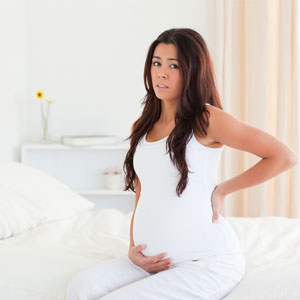
Medical checkup for pregnant women

Regular medical checkups and tests ensure that the mother and the developing baby in the womb both stay healthy during pregnancy. Checkups during pregnancy ensure that the mother is receiving the right nutrients and the baby is developing normally so that any abnormal condition may be detected and treated well in time. Hence there are pregnancy checkups month by month for monitoring the health status. During such check up for pregnancy, other related issues like the type of physical activity that must be avoided, healthy eating and lifestyle and counseling about delivery and labor. In the forthcoming section, we will provide a detailed insight of the pregnancy check up and screening tests which have been recommended by healthcare specialists from all over the globe.

First prenatal care visit: many pregnant woman wonder, “At what stage should I go for pregnancy checkup?” truth to be told, one must visit the family doctor, or a recognized obstetrician as soon as they begin to try to have a baby. Otherwise, whenever it is confirmed that a woman is pregnant, she must schedule an appointment with the doctor. During the first pregnancy routine checkup, doctor asks questions about the medical history of both the partners, followed by a complete physical examination of the woman and tests like a blood test, cervical exam, breast exam and pelvic exam.  A Pap test and tests for certain genetic diseases are done. It is important to provide the doctor with genuine information about your lifestyle and habits. A blood checkup for pregnancy is important to screen for diseases like HIV/AIDS, Hepatitis B, and sexually transmitted diseases. This is longest one of routine checkup during pregnancy, and the due date will also be calculated.

The first checkup for pregnant woman is also important as the doctor will recommend valuable lifestyle and diet changes that are important for delivering a healthy baby. Normally, one is recommended to begin with a healthy lifestyle before trying to get pregnant. If not, the doctor will track down the problem areas and provide you with suggestions and diet charts to be followed. The visit is the right time to discuss concerns about your routine and lifestyle with your health care provider. The pregnant woman will also be prescribed dose of prenatal vitamins like folic acid which must be consumed regularly. Read More...

Monday, 1 April 2013

What to eat after delivery of baby

Giving birth to a child is inarguably the most pleasurable experience of a woman’s life. However, childbirth is not exactly a walk in the park. It is also the time the woman’s body experience a great deal of changes due to hormones and stress of labor and delivery. Recuperating from delivery requires a great deal of rest, proper nutrition and a number of precautions to be followed. Diet after pregnancy is very important as it is responsible for not only healing the mother but also providing nourishment to the baby. For many new couples, what to eat after pregnancy is a perplexing question. One can always take help from their caregiver who will guide you in this regard. The highlights of an Indian diet chart for lactating mother have been shown below:

What to eat after delivery in India?

An infant requires to be fed every two to three hours and this makes the Indian diet after pregnancy highly important. If the diet is lacking on important nutrients, the mother will soon feel exhausted and nauseated and the baby will also not develop at the normal rate. The food to eat after pregnancy Indian must be high on energy as it directly affects the quality of breast milk.
  • The breakfast is the first meal and must be high on nutrients. Begin your day with a glass of whole milk and dairy products like paneer, cheese and yoghurt. Poha, oat meal, sprouts, grilled vegetable and cheese sandwiches and fresh fruits must be consumed in breakfast according to healthy post pregnancy diet Indian.
  • The Indian diet for breastfeeding moms must be high on proteins. Good sources of protein include soybean, dairy products, pulses and lentils as well as beans. Consume non vegetarian products like eggs, fish, chicken and lean meat as well.
  • Another essential component of a mother’s diet is calcium and iron, which will be gained from fresh fruits and vegetables, and a variety of whole grains. Vitamin D is crucial for a lactating mother which can be gained from sunlight, and vitamin supplements prescribed by the doctor as well.
  • If one is confused about what to eat after giving birth, always make sure that your diet is rich on nutrients but low on fats. After delivery one has to focus on staying fit and eating right to remain healthy. Inclusion of starchy foods like breads, pasta and potatoes is equally important.
  • Vitamin C builds the body’s immune system and must be gained from oranges, lemons, gooseberry, steamed broccoli and tomatoes.
  • Diet during breastfeeding in India must aid in recovering from childbirth. Some such traditional food products include black sesame seeds which are high on micronutrients and regulate bowel movements, fenugreek which is a rich source of calcium and iron, ajwain that cures indigestion and soothes the uterus and Turmeric, widely used in Indian cooking which is anti-inflammatory and contains Vitamin C, potassium and manganese.
  • Like focusing on what to eat after delivery, what to drink is also important. One must consume a lot of fluids in the form of water, milk, herbal tea, fresh juices, coconut water and butter milk. This flushes out toxins from the body, prevents constipation and gas troubles and enhances milk production as well. Drinking 8 or more glasses of water each day is advisable.
  • After delivery, what to eat and what not to eat are equally important. As a responsible mother, one has to avoid smoking, drinking or binging on oily and fried foods. Tobacco, alcohol and aerated drinks must be kept away from the mother’s sight. One must not eat oily fish like tuna and sardines or swordfish more than once a week as they may prove harmful to the baby’s health.
  • After pregnancy what to eat and when to eat are correlated. Instead of having a heavy meal at once, break down the diet into smaller meals and half something light and nutritious every two to three hours to keep yourself energized all through  the day.
What to eat after delivery of baby in India? Hope the tips given above have helped all the new mothers. Taking help from your doctor in case of any query is always recommended.

For More Information : What to eat after delivery

Care After Cesarean Delivery

Most mothers want to give birth to their baby normally, that is vaginally. However, some complications may arise in your pregnancy that may lead to the baby being delivered surgically, popularly known as a cesarean delivery. Post delivery care is essential for the health and recovery of the mother; however the follow up of a major surgical procedure like a c-section requires extreme care and a number of precautions. The mother may feel very different physically as well as emotionally after a cesarean delivery. There are several precautions after cesarean delivery that must be followed by the mother as well as the family to help in speedy recovery. A list of precautions after c section has been covered in the following section:

  • Expect pain and discomfort:  the body goes through a lot during labor and delivery. Added on top of it a major surgical procedure like a c-section will likely to leave you exhausted for a long period of time. The abdomen will feel sore and the stitches will ache for a few weeks. The most important part of post cesarean care is to remain strong and endure the discomfort for some weeks. Allow yourself to rest to avoid any stretching of the pulled stitches. Rest is the key to recover all the wounds before one can return back to their normal life.
  • Another precaution after cesarean delivery is self-care. One has to eat a highly nutritious diet and take optimum rest. Restrain from physical activities and take care of private parts by massaging the area and have a warm bath as after delivery care which will allow the wounds to heal. A crucial part of precautions after cesarean section is to learn to take care of you in every aspect, from getting up from the bed to using the bathroom and nursing the child. Whenever one feels feverish or bleeds or doubts of having an infection, it is best to consult the doctor immediately as a precaution after cesarean.
  • Take help from others if you want. For a woman who has had a c-section, even the confinement period of 40 days may sometimes not be sufficient to recover completely. No one expects the mother to jump into action right after the delivery. To take care of all the household activities and chores, one can take help from other family members, relatives or even hire someone for a few weeks until you start feeling better.  After cesarean delivery precautions involve preventing exhaustion which can be done by accepting help.
  • Post delivery precautions include avoiding anything that you may feel discomfort in doing. After a c-section, the woman may not be able to climb the stairs, lift the baby or other heavy loads. As a precaution after delivery, shift your room to the ground floor for a few weeks and house all of you and your baby’s necessities there. Avoid lifting heavy shopping bags and wear comfortable shoes that give your body the right kind of support. Never wear high heels or overexert the abdominal muscles.
  • Another precaution after c section is to follow all the exercise guidelines laid down by the doctor. Although the mother cannot do serious exercises, some amount of physical activity is necessary. The doctor recommends starting walking after 8 hours of the delivery to prevent formation of blood clots. One may consult a physiotherapist who can prescribe the right kind and amount of movement after assessing the health of the mother.
  • There are several medications involved in a c-section, like pain killers and anesthetics. The medications live in the body for a long time, and hence it is important to refer to your doctor before starting breastfeeding your baby. Discuss the effects of the medications on the breast milk. Food care after cesarean India ensures the mother gets the right nutrition and her wounds heal quickly.

For More Information : Care After Cesarean Delivery

Precautions during pregnancy

Pregnancy is a wonderful time of a woman’s life. However, there are major changes taking place inside her body and she must follow several pregnancy precautions to keep the baby safe and healthy. The first trimester is the most crucial in this regard when the cases of miscarriage are the highest. Therefore, one must follow all the advices given by the doctor and follow all precautions in pregnancy. There are a lot of things that a pregnant woman must keep in mind. A list of the important precautions during pregnancy is covered here:

  • During the first trimester, the woman’s body has just begun to adapt to the changes going on inside her body. The frequent urination and vomiting may leave the woman dehydrated, which is the chief cause of early miscarriages. Hence one of the most important precautions during early stages of pregnancy is to avoid chances of dehydration by having plenty of water, juices, milk, coconut water and water containing fruits and vegetables like cucumber.
  • Quitting smoking, drinking alcohol and drugs is the crucial precaution during pregnancy. Nipping such habits as early as possible will ensure complications like preeclampsia, birth defects, miscarriage, and stillbirth do not occur in future. It is essential to maintain a healthy lifestyle during and after pregnancy as well.
  • Taking prenatal vitamins regularly is one of important precautions during pregnancy. 400 mcg or more of Folic acid must be consumed each day to ensure health and proper development of baby.
  • The diet is also to be carefully controlled one of the during pregnancy precautions.  One has to cut down on the amount of caffeine intake to not more than 150 mg per day.
  • Staying away from certain foods is of paramount importance for the safety of the baby. Certain fishes like King Mackerel, swordfish and shark contain alarmingly high amount of mercury harming the brain of the baby. Likewise, raw eggs must not be consumed as they may contain the salmonella virus. As a precaution during pregnancy in India and elsewhere, avoid foods containing raw eggs, unpasteurized cheeses like brie, chevre and blue cheeses like gorgonzola as they contain a virus named listeria which harms the baby.
  • The pregnant lady must stay away from certain animals. One of the activities pregnant women should avoid in India and abroad is to stay away from raw meat and wash fruits and vegetables before consuming them to avoid chances of contracting toxoplasmosis. Avoid changing cat litter too, as if infected by toxoplasmosis during early pregnancy it may induce a miscarriage.
  • Precautions for pregnant women also include staying away from strenuous physical activities or rigorous exercises. While it is important to stay fit and healthy, the exercise regime must be followed in presence of a specialized trainer and activities like lifting heavy bags or moving furniture around should not be allowed. It is also important to remain well hydrated while exercising.
  • Precautions during pregnancy in India is to avoid Jacuzzis, spa or any kind of ayurvedic treatment that increases the body’s temperature. Similarly, take advice before practicing any Yoga postures.
  • Certain medications and herbs have been proved to induce preterm labor or miscarriage. Precautions during early pregnancy in India includes staying away from strong pesticides and herbs like passion flower and black cohosh. Staying away from strong smells and paint is also recommended.

There are numerous precautions while pregnant in all countries around the world. However, pregnancy is also a time to enjoy and soak in the bliss of motherhood. Keep certain things in mind and do not let these advices work you up or dampen your spirit these nine joyous months of pregnancy.


For More Information : Precautions during pregnancy

Tuberculosis of uterus


Tuberculosis or TB is an infectious disease that is thought to affect the liver. However, contrary to this popular belief TB can spread to other parts of the body through the blood stream. Tuberculosis spreads from one person to another by coming in contact with bacteria from an infected person, by coughing, spitting or sneezing. These bacteria remain in air for a long time and can infect others. However, it does not spread by touching or sharing of utensils.

What is Uterus Tuberculosis?

When a woman comes in contact with the TB bacteria, it affects her lungs and eventually reaches her reproductive system. The bacteria first affect the fallopian tubes after which the lining of uterus is infected, a condition known as Tuberculosis in Uterus. TB in uterus is not a genetic disease and is difficult to diagnose as the bacteria may remain inside the body in an inactive state for as long as 20 years.

Symptoms of Uterus TB:

Early diagnosis of uterus TB is still difficult even with the advances in medical field. As the TB bacteria remains in a dormant state inside the body for years, it might be late before the infection is diagnosed. Sometimes there are no apparent symptoms, but a list of most commonly observed uterus tuberculosis symptoms has been mentioned here:

  • Sudden loss of weight
  • Disturbance in the menstrual cycle
  • Abnormal vaginal discharge
  • Pain in pelvic region
  • High fever for a prolonged duration

Uterus tuberculosis treatment:

If uterus TB test is done and it is detected at an initial stage, it may be treated completely. A very effective medication known as anti-tubercular therapy or ATT counters the TB bacteria to eliminate it from the body completely. The AKT 3 tablets or Anti Koch’s 3 tablets are effective against uterus TB. The name stands for Koch’s bacillus or TB bacillus after the discoverer Robert Koch and because of the fact that the tablets are taken as a kit of 3 on daily basis. This treatment continues from 6 to 9 months depending on severity of infection. It treats the pain and fever but may not repair the fallopian tubes f they have already damaged. It is important to be sure about TB medication before starting off with the treatment course.

How does uterus tuberculosis affect fertility?

Many women are worried and ask questions like, “will taking Uterus TB tablets affect my menses?” The truth is, TB in uterus can be treated if it is at an early stage. However, in serious cases it can lead to scarring of tissue and scanty periods. If the uterus lining has been damaged severely, the fertility of these women will be compromised.

Having tuberculosis in uterus with pregnancy:

If a pregnant woman is diagnosed of uterus TB, she has to take extra care of her baby and her body. Proper precautions must be taken to protect the health of the baby as the anti-TB medication has several side effects as well. Uterus tuberculosis patient pregnancy needs to be closely monitored by her doctor to prevent any complications in the future. A balanced and healthy diet with proper rest is the utmost necessity for a pregnant woman suffering with uterus TB. The doctor will prescribe special medication and create a diet chart for such cases.

The body needs sufficient amount of vitamins, minerals and protein to fight with the TB bacteria in the body. Hence one must include a fair share of green leafy vegetables and seasonal fruits in the diet. Additional vitamin supplements may be prescribed by the doctor. One must completely avoid caffeine, tobacco, alcohol as well as fried and fatty foods.

For More Information : Tuberculosis of uterus

Low amniotic fluid during pregnancy

Amniotic fluid forms an essential part of the baby’s life support system inside the mother’s womb. It provides a cushioning effect to protect the baby from injuries and also gives space for the baby to move around freely. It allows for the proper development of limbs and protects the umbilical cord from being damaged by less room between the uterine wall and growing baby. The fluid is initially mainly water provided by the mother, but gradually becomes mostly formed by the baby’s urine. Hence, less water during pregnancy may indicate some issues regarding baby’s health due to low urine output. The amount of amniotic fluid can sometimes be too low or too high, which must be treated as early as possible. Amniotic fluid deficiency can lead to pregnancy complications like birth defects or miscarriage.

Meaning of oligohydramnios:

The condition of having low amniotic fluid in the amniotic sac is called oligohydramnios. The expectant mother’s doctor can measure the amount of fluid using several techniques like deep pocket measurement or Amniotic Fluid Index. If the fluid is less than 500 ml in the last month of gestation or fluid level is lesser than 5 cm, then the woman may be expected to suffer from oligohydramnios. Around 4 percent of pregnant women are diagnosed with low water level during pregnancy, meaning oligohydramnios. Though this condition can occur anytime during the gestation period, it is most common during the third trimester as the level of fluids decreases to almost half by the 41st week.

Low amniotic fluid causes:

There can be several reasons for decrease in amniotic fluid during pregnancy. The fluid level naturally comes down during the last weeks of pregnancy. However, prior reduction in amniotic fluid may be attributed to:

  • Premature rupture of membranes in the amniotic sac can cause leaking or slow trickling of the amniotic fluid
  • A condition called as placental abruption, where the placenta gets de- attached from uterine wall either partially or completely before delivery can cause oligohydramnios.
  • Underdevelopment of the baby or certain heath problems like improper functioning of kidney could result in low urine output. In some cases, the placenta is unable to provide the baby with sufficient nutrients so the baby stops recycling fluid.
  • Some heath conditions of the mother like preeclampsia, dehydration, diabetes or high blood pressure can also be the contributory factors for fluid deficiency during pregnancy. Anemia is not really a cause of loss of amniotic fluid, though many people think it is.

Treatment for low amniotic fluid:


All those who are diagnosed with oligohydramnios are recommended a specified course of treatment to prevent future pregnancy complications. The doctor might recommend having lots of fluids, especially if the mother is dehydrated. Low amniotic fluid at 40 weeks can be treated by multiple techniques to prevent complications during delivery.

  • Intake of a lot of fluids and change in diet are the first steps that are recommended to increase the level of amniotic fluid. However, the course of treatment varies with the age of expecting lady as well as gestational age. For those who are not yet full terms, several tests including blood test, ultrasound and stress test follow to closely monitor the baby’s movements. For those who have completed the full term, delivery is suggested in most cases.

  • Low amniotic fluid treatment options also include Amnio-infusion or amniocentesis. In the former, fluid is added with a catheter during labor which provides padding to the baby and lowers the chances of having a C-section. In the latter case, fluids are injected before delivery which gives the doctors an appropriate window to make diagnosis about baby’s condition.

Risks associated with oligohydramnios:

Can low amniotic fluid cause birth defects? This is a pertinent question in the mind of almost every mother. Unfortunately, it is true. Amniotic fluid is essential for healthy development of the baby’s limbs, lungs, digestive system and muscles. Apart from serving the function of cushioning the baby, during the second and third trimesters, babies swallow amniotic fluid which helps in fortifying the lungs. During the first trimester, oligohydramnios can cause complications like birth defects, and even miscarriage and stillbirth. During later stages, complications include premature labor, cord compression and C-section delivery.

For More Information : How does low amniotic fluid affect pregnancy